
Leadership in the Digital Age: The Power of Early Technology Mastery
Leadership has always been about embracing the future and leading the way forward. In today’s digital age, this requires an understanding and mastery of the technologies that are reshaping our world. From artificial intelligence to quantum computing, the tools we use to connect, communicate, and solve problems are evolving at an unprecedented pace. Those who master these technologies early often think faster, learn more efficiently, and act with increased confidence, setting themselves up for long-term success. In this article, we will explore the strategic advantages of early technology adoption, the key technologies future leaders need to understand, and the tools that can help individuals build their tech fluency early.
The Strategic Advantage of Early Technology Adoption
Being an early adopter of technology provides a competitive edge in today’s fast-paced business environment. It affords individuals and organizations the opportunity to complete several learning cycles before others even begin, allowing them to understand the limits and practical uses of new tools. They are able to identify errors early, learn from them, and adapt their strategies accordingly. This ability to adapt quickly and with less effort is particularly valuable in a world where digital systems and automation are increasingly becoming the norm.
Moreover, early technology adoption enhances decision-making capabilities by providing access to data and automated systems that support clearer choices. The familiarity gained reduces hesitation, shortens response time, and allows for the development of internal systems and workflows at an earlier stage. This accumulated knowledge gives early adopters a strategic edge over their competitors, allowing them to maintain relevance in a technology-driven economy.
Key Technologies Future Leaders Need to Understand
There are several emerging technologies that future leaders need to understand and master. These include industry-specific artificial intelligence (AI), quantum computing, and spatial computing.
Industry-Specific AI
Artificial intelligence has moved beyond general chat tools and is now being tailored for specific sectors including healthcare, finance, education, and logistics. These AI systems can analyse large amounts of data and identify patterns that would be difficult to discern manually. According to reports from McKinsey and PwC, AI can reduce errors in data-based tasks and improve consistency, making it an invaluable tool for leaders.
Quantum Computing
Quantum computing is still in its developmental stages, but its potential implications are enormous. Unlike traditional computers, quantum systems can process multiple variables simultaneously. This makes them useful for complex tasks such as risk analysis, supply chain planning, and financial modelling. As per IBM research, quantum systems may eventually be able to solve certain problems much quicker than traditional systems.
Spatial Computing
Spatial computing, which merges digital tools with physical space through augmented and virtual reality, is another technology that leaders should understand. It can be used for a variety of applications, including staff training, product testing, and remote teamwork, making it a powerful tool for improving understanding and communication across locations.
Tools to Develop Early Tech Fluency
Early exposure to digital tools can accelerate the learning process, helping individuals progress from a basic understanding to practical application more quickly. Tools such as ChatGPT/AI Assistants, EduBrain.ai, Notion AI, Wolfram Alpha, and Grammarly, can all play a part in this process, each offering unique benefits to help users develop their digital skills.
ChatGPT / AI Assistants
AI assistants such as ChatGPT help users think through ideas and structure their work. They provide direct and organized responses to queries, saving users time and helping to clarify concepts that may initially seem unclear. They are particularly useful for learning and during the early stages of a project.
EduBrain.ai

EduBrain.ai is a tool that helps students solve academic tasks through image or text input. It provides step-by-step solutions, which facilitates a better understanding of the logic behind a given problem. For instance, the integral calculator by EduBrain provides a clear structure for solving definite and indefinite integrals.
Notion AI
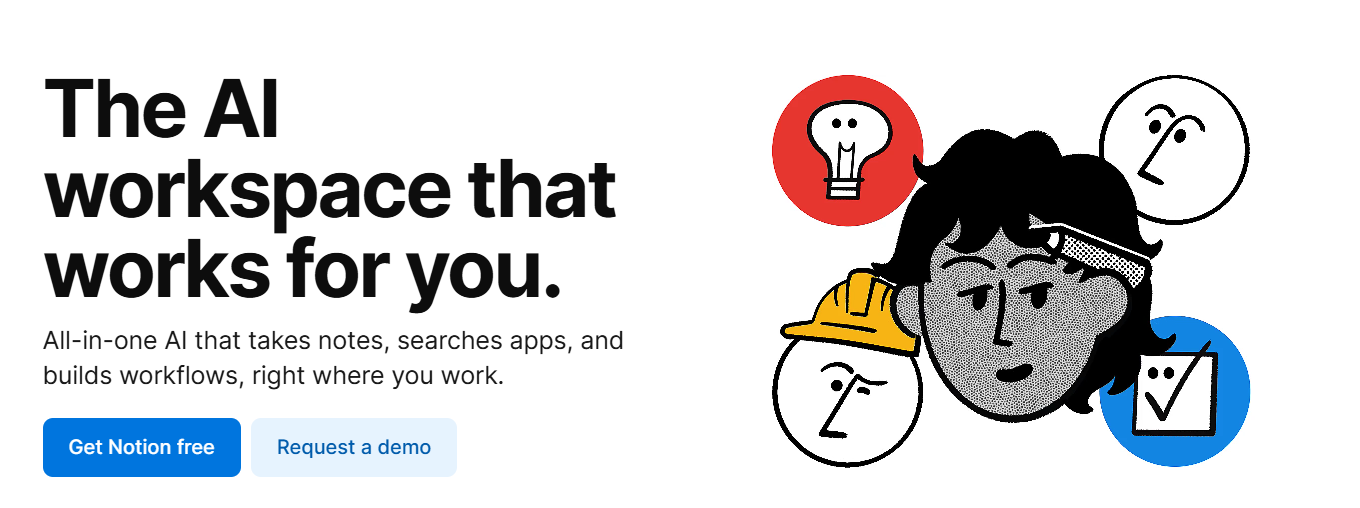
Notion AI is a tool that helps keep work organized. It can summarize long texts, turn rough notes into clear plans, and keep all tasks, documents, and plans connected in one workspace. This tool supports steady progress on long-term tasks and helps reduce the need to switch between different apps.
Wolfram Alpha
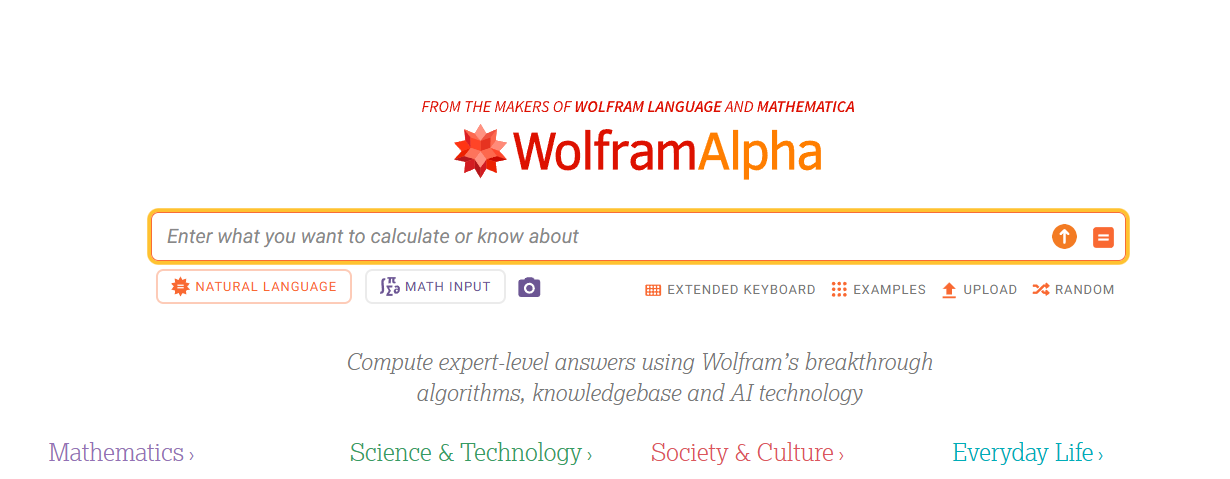
Wolfram Alpha functions as a computational knowledge engine. It calculates results based on structured data and built-in formulas. This is particularly useful for technical subjects where precision and procedure are of importance.
Grammarly
Grammarly is a writing assistant that checks grammar, spelling, and punctuation in real time. It also reviews sentence structure and word choice, helping users improve their writing clarity and precision.
Developing Tech Mastery Early: A Strategy for Success
For students and young professionals, building tech mastery early can have profound benefits. Research shows that active practice helps in better retention and understanding of concepts. Small, daily use of digital tools leads to steady progress and the development of strong leadership qualities.
However, the journey to tech mastery is not without its challenges. It requires an ability to embrace uncertainty, learn through trial and error, and a commitment to continuous learning. Over time, these experiences build technical competence and foster leadership skills like critical thinking, responsibility, and the ability to perform under pressure.
The Risks of Ignoring Early Technology Adoption
Ignoring the adoption of technology early can have serious consequences. Studies from global consulting and economic institutions show that organizations that move first increase productivity earlier and adapt faster to change. On the other hand, those who wait often face pressure once transformation becomes inevitable, resulting in slower growth, missed opportunities, reduced competitiveness, higher stress levels, and a short-term focus.
The Mindset That Defines Future Leaders
Future leaders distinguish themselves not only through their knowledge but also their ability to respond to uncertainty. In today’s technology-driven economy, adaptability, curiosity, and analytical thinking are highly valued skills. These qualities, combined with a mastery of technology, help to build an anticipatory mindset where change is something to prepare for, rather than something to fear.
Conclusion: Mastery Starts Early
Leadership often starts long before someone receives a formal title. It develops through habits, choices, and daily work with new tools. Global workforce reports show that early exposure to technology links to stronger adaptability, faster decision-making, and better control over workload. People who build digital skills early tend to handle change with less pressure when industries shift. Mastery of technology does not come from one course or one project. It grows through regular use and practical application. Small, consistent action builds confidence and a deeper understanding over time. Early effort opens more options in the future and allows people to guide change rather than react to it.
For more detailed information, you can check the source Here.

