
From Roots to Innovation: Deborah Mullin’s Culinary Journey at Little Saint
“Food was very central to my life growing up,” says Deborah Mullin, director of culinary at Little Saint, a pioneering plant-based restaurant located in Healdsburg, California. Mullin’s deep familial connection to food and hospitality shaped her early passion and expertise in the culinary arts.
Mullin’s culinary legacy is rooted in her family heritage: her paternal grandfather owned a restaurant in a small town in New York’s Hudson Valley, while her maternal grandparents, first-generation Italian Americans, introduced her to authentic central Italian cuisine. Additionally, her parents, who are passionate gardeners well into their 80s, instilled in her a respect for fresh, homegrown ingredients.
Throughout college, Mullin gained hands-on experience working in various restaurant roles—both front- and back-of-house—to support herself financially. This early immersion helped her develop leadership skills, as she was frequently tapped as a team leader and manager. Although she initially earned a communications degree, Mullin later completed formal culinary training at the prestigious Culinary Institute of America in Hyde Park, New York, refining her expertise and shaping her culinary vision.
A Needle-in-a-Haystack Opportunity at Little Saint
After more than a decade in the culinary industry, including serving as executive chef at The Culinary Institute of America at Copia in Napa, Mullin’s interests increasingly focused on plant-based cuisine and sustainability. This made the opportunity at Little Saint especially appealing—a chance to dedicate herself fully to creating a menu and experience deeply rooted in local produce and sustainable practices.
“This part of California is already known for its long growing seasons, lots of produce and the farm-to-table mentality,” Mullin explains. “But to take it to the next level and create an experience and a menu that is wholly dependent on those elements was kind of a needle in a haystack.”
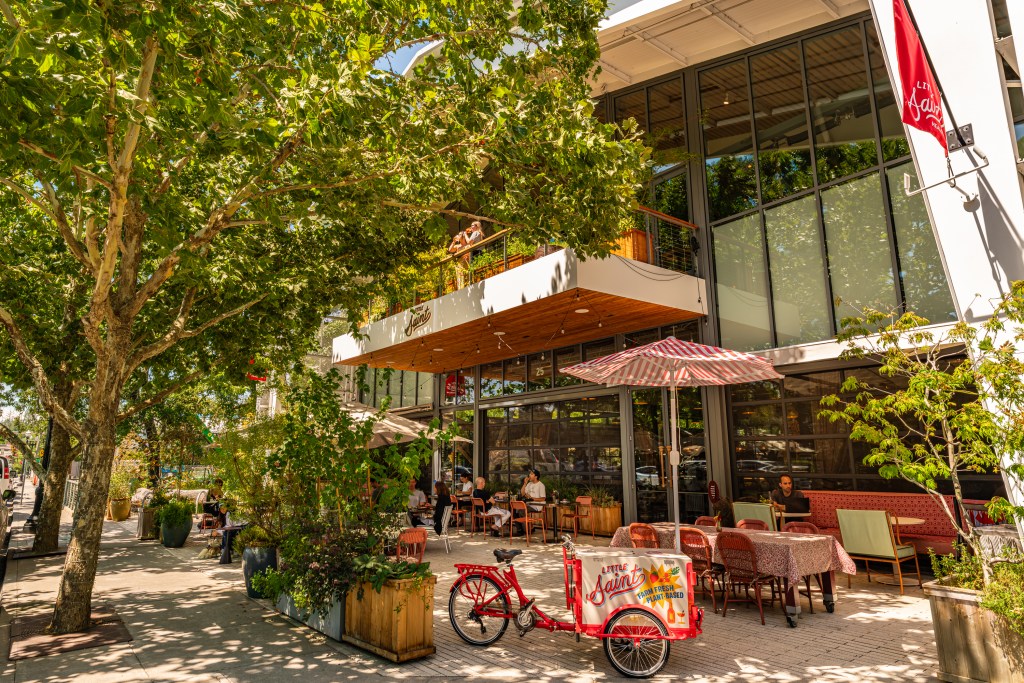
Little Saint was founded in 2022 by Healdsburg locals Laurie and Jeff Ubben. Transforming a two-story, approximately 10,000-square-foot property known as the “SHED,” the team—including executive director Jenny Hess and creative director Ken Fulk—created a versatile space that houses a fully plant-based restaurant, bakery, coffee bar, wine shop, cocktail bar, and event venue.
Furthering their commitment to sustainability, the Ubbens converted an eight-acre former vineyard into the regenerative Little Saint Farm, which supplies seasonal produce for the restaurant’s evolving menu. Earlier this year, they expanded the brand with the Cottages at Little Saint, a boutique lodging experience in downtown Healdsburg also designed by Ken Fulk.
Fostering Community Through Hospitality and Accessibility
In an interview with Entrepreneur, Mullin emphasized that hospitality is the cornerstone of building community at Little Saint. But this hospitality must be authentic and welcoming, encouraging guests to explore and feel at home in the space.
To maximize accessibility, Little Saint operates seven days a week, from 8 a.m. to 9 p.m., serving a diverse clientele. Whether visitors stop by for morning coffee and pastries, grab a quick lunch, or enjoy a multi-course dinner with live music, the restaurant caters to a wide range of needs and occasions.
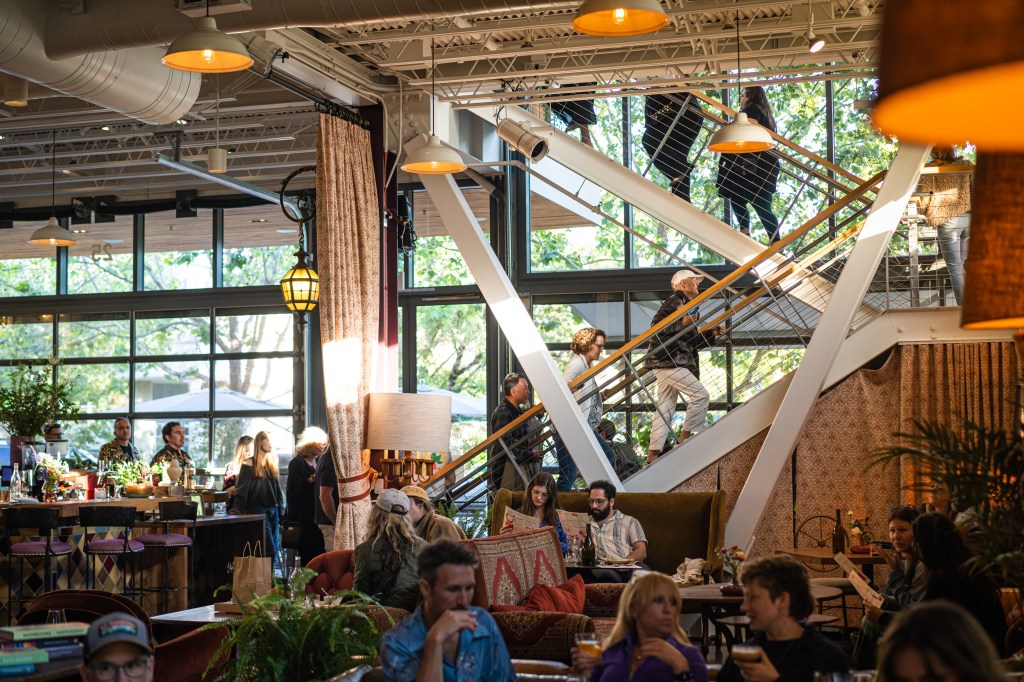
By embracing a flexible, multi-use format, Little Saint functions as a “third place” — a sociological concept coined by Ray Oldenburg in his 1989 book The Great Good Place. Third places are public gathering spaces that exist beyond home and work, fostering social connection and community engagement. These spaces have become increasingly rare due to economic pressures and shifts toward digital interactions, making Little Saint’s role all the more vital.
Balancing Consistency with Seasonal Surprises
At the heart of Little Saint’s community commitment is what Mullin calls “the element of friendliness.” This means offering reliability and consistency in food quality while also delighting guests with seasonal and microseasonal variations that keep the menu fresh and exciting.
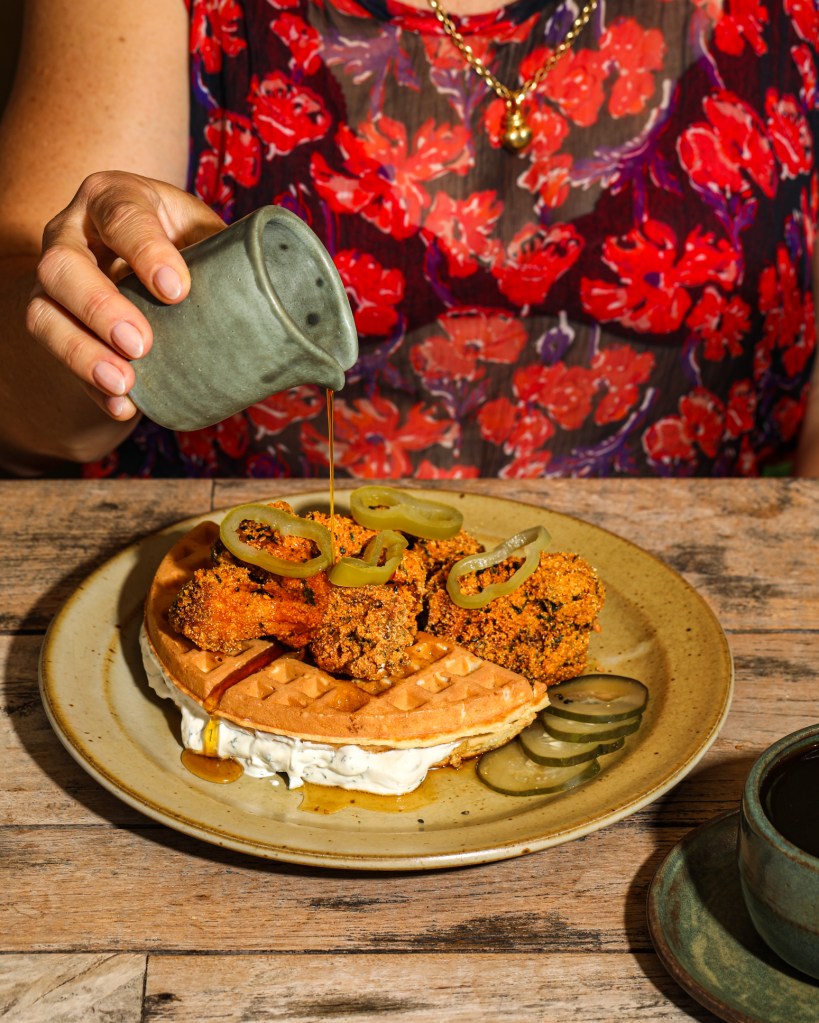
For example, staples like the sunflower Caesar salad provide a dependable favorite, while the rotating seasonal dishes invite culinary exploration. A standout event was the Tomato Sagra dinner in August, a one-night celebration focusing solely on tomatoes. In collaboration with Michelin-recognized restaurant A16, Little Saint showcased heirloom tomato varieties grown on their farm in dishes ranging from Neapolitan pizzas to melon-basil sorbet.
Orchestrating a Seamless, Multi-Faceted Operation
Running a venue as multifaceted as Little Saint demands intricate coordination behind the scenes. Mullin describes her role as a visionary architect who designs the operational structure and leads culinary managers responsible for their respective teams.
Beyond culinary excellence, Mullin prioritizes creating a positive workplace culture and mentoring the next generation of culinary professionals. She emphasizes the importance of integrating business acumen with culinary skill, coaching team members to understand their roles within the larger mission of the restaurant.

Clear communication and a continuous feedback loop are essential to ensure every team member understands their role and has the support necessary to excel. Mullin fosters an environment where employees have clarity on the business’s vision and their individual career progression paths.
Despite the complexity of its operations, Little Saint remains grounded in its dual pillars of community engagement and innovative, sustainable plant-based cuisine.
“I’m excited to show how Little Saint as a business model demonstrates that a restaurant can be much more than just a place to eat,” Mullin concludes. “That it is a true third space, where people can gather and connect and celebrate.”
Key Takeaways
- Mullin seized the opportunity to focus on plant-based options and sustainable initiatives at Little Saint.
- She says its seven-day-a-week operations help it serve the community as a rare third place.
For more on the story behind Little Saint’s unique approach and Deborah Mullin’s leadership, read the full article Here.

