
From Humble Beginnings to Viral Success: The Story of Mad Hatter
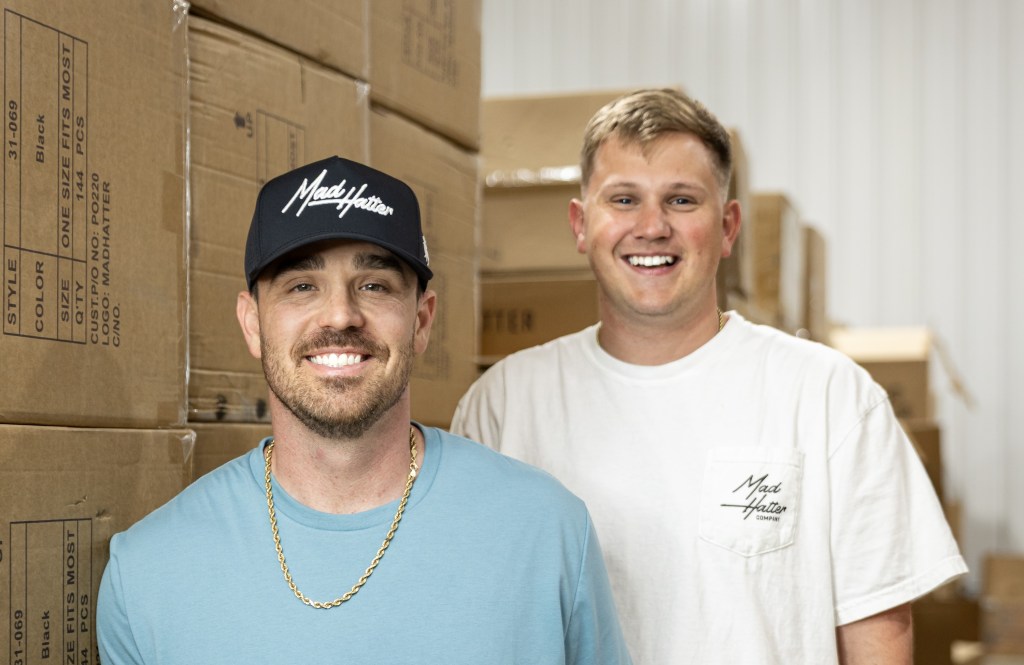
Zach Dunn and Chason Rabitaille’s journey into the hat and apparel business began in 2020 with a modest investment of $15,000. What started as a small, made-to-order operation in a spare bedroom has since grown into an eight-figure company that leverages viral marketing and culturally relevant humor to capture the attention of millions on platforms like TikTok.
Dunn’s background is rooted in resilience and entrepreneurship. Raised in a small town in rural Georgia, he grew up in a family of farmers and entrepreneurs who embraced risk and innovation. About a decade ago, Dunn and his father secured a $250,000 loan to start a farm, an experience Dunn credits with teaching him the realities of turning an idea into a tangible business. Despite initial success farming cotton and tobacco, a challenging year led to significant debt, providing Dunn with hard-earned lessons about pacing growth and making thoughtful business decisions.
Pivoting From Farming to Fashion
After the farm’s collapse, Dunn returned to college to study business while working in car sales, eventually rising to general manager and finance manager roles. It was during this time that he and his college roommate, Chason Rabitaille, noticed the rising trend of Facebook ads for hat companies. Recognizing an opportunity, they decided to launch Mad Hatter in April 2020, investing Dunn’s entire life savings into the venture.
Starting with 15 hat colors, 40 patches, and an industrial sewing machine, the duo began crafting hats by hand, with Rabitaille sewing each piece. This made-to-order approach allowed them to maintain quality control and respond dynamically to customer demand. Their early growth was fueled by Facebook and Instagram ads focusing on vintage-style patch hats, but changes in digital advertising privacy policies necessitated a shift in strategy.
Mastering Virality: The Mad Hatter Formula
Confronted with declining ad effectiveness due to Apple’s iOS 14 privacy changes, Dunn pivoted to focus on organic content. He believed that consistent virality would drive customers to their Shopify store more effectively than paid ads. The team experimented extensively on Instagram before recognizing the immense potential of TikTok, where cultural trends and humor quickly spread.
According to Dunn, achieving virality involves starting with a product that resonates emotionally or culturally, not just relying on the algorithm. Mad Hatter’s success with humorous “word track” hats featuring catchy phrases like “Mama Tried” or “Put It On My Husband’s Tab” set them apart in a market saturated with typical outdoorsy logos. Their content strategy incorporates TikTok-optimized audio, sharp captions, and continuous experimentation with short-form video formats.
This approach transformed Mad Hatter from a trend follower into a trendsetter, carving out a unique niche that blends humor and cultural relevance, which has become central to their brand identity and growth.
TikTok Shop as the Engine of Growth
When TikTok Shop launched in 2023, Mad Hatter was well-positioned to capitalize on its commerce tools, having already built a robust affiliate network and a habit of frequent posting. Dunn estimates that TikTok Shop now accounts for approximately 65% of the company’s revenue, highlighting the platform’s critical role in their sales strategy.
Mad Hatter embraces multiple TikTok features including affiliates, live selling, and ads, aligning closely with the platform’s priorities to maximize exposure. This alignment has fueled more than 100% year-over-year growth but has also introduced operational challenges, from production to shipping and customer service.
The company’s 10,000-square-foot warehouse operates with a “make to demand” model, holding blank hat stock and finishing orders in-house within 24 to 72 hours. This flexibility avoids the common pitfall of stock shortages during viral spikes, enabling Mad Hatter to capitalize fully on sudden surges in demand.
Expanding beyond hats, clothing now represents about half of Mad Hatter’s business. Dunn envisions further growth over the next five years, aiming for a larger, more efficient facility and a community of customers “10 times bigger.”
Lessons and Advice for Aspiring Entrepreneurs
Despite its rapid expansion and projected eight-figure revenue, Dunn emphasizes that profitability should take precedence over chasing revenue growth at all costs. He warns against the trap of prioritizing top-line numbers without regard to margins, recalling that Mad Hatter was “barely breaking even” at one point.
In response, the company tightened pricing discipline and stopped heavy discounting on TikTok, which helped restore financial health. Dunn stresses that supporting Mad Hatter means backing a team of 40 to 45 employees across Georgia and Mississippi, many of whom depend on the company for their livelihoods.
“We’re a small business; we’re the underdog, and I think our hats represent the underdog in a way,” Dunn reflects. His story is a testament to resilience, strategic adaptation, and the power of authentic, culture-driven marketing in today’s digital economy.

