
California Wine Country’s Earliest Harvest in Decades: Lessons from a 67-Year-Old Winery
Napa Valley and Sonoma, two of California’s most renowned wine-growing regions, recently experienced their earliest grape harvest in decades. Triggered by a record-breaking heat wave in March and an unusually early bud break, grape picking commenced in July—significantly ahead of the typical early to mid-August schedule. This shift posed unique challenges and opportunities for vintners across the region.
Despite the early harvest, wine-growers and makers in Napa and Sonoma rely on time-tested harvest strategies that balance tradition with innovation. Among them, Rodney Strong Vineyards—a 67-year-old winery located in Healdsburg, California—stands out for its deliberate and expert approach to grape growing and winemaking.
Founded in 1959 by Rodney Strong, a former Navy serviceman and Broadway dancer, the vineyard has developed a refined process over the decades. In 1979, Rick Sayre joined as the winemaker, and a decade later, the Klein family, led by Tom Klein—a Stanford MBA graduate and former McKinsey consultant—took ownership, further professionalizing operations and scaling the business.
The winery exemplifies a blend of art and science in viticulture. For instance, to achieve the signature light pink hue of their rosé, grapes are harvested at night, preventing heat damage and preserving delicate flavors. This attention to detail underscores the winery’s commitment to quality, even amid shifting climate patterns and operational challenges.
Supply Chain and Preserving Value
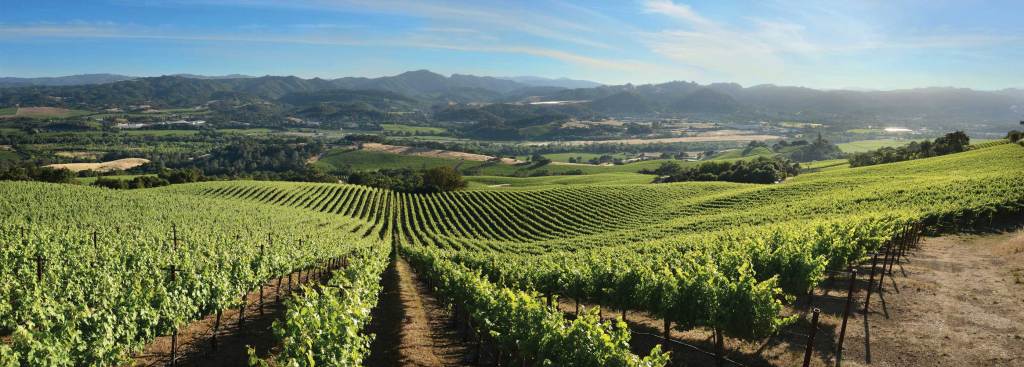
One of the core lessons from Rodney Strong Vineyards is the critical importance of understanding and managing the supply chain to maintain product quality. Heat exposure between the time grapes are picked and when they reach the crush pad can lead to premature dehydration and altered fruit balance, which impacts the final wine’s character.
To mitigate this, the vineyard initiates harvesting at dawn, ensuring grapes are cooled and swiftly transported to an air-conditioned facility for sorting and fermentation preparation. This precise timing and temperature control demonstrate the winery’s meticulous logistical planning.
In today’s business landscape, this approach parallels how companies across industries leverage advanced technologies to monitor supply chains in real time, gathering data at every stage to reduce risks and enhance quality. Such innovations can provide a competitive edge, transforming traditional operational fundamentals.
Resource Allocation
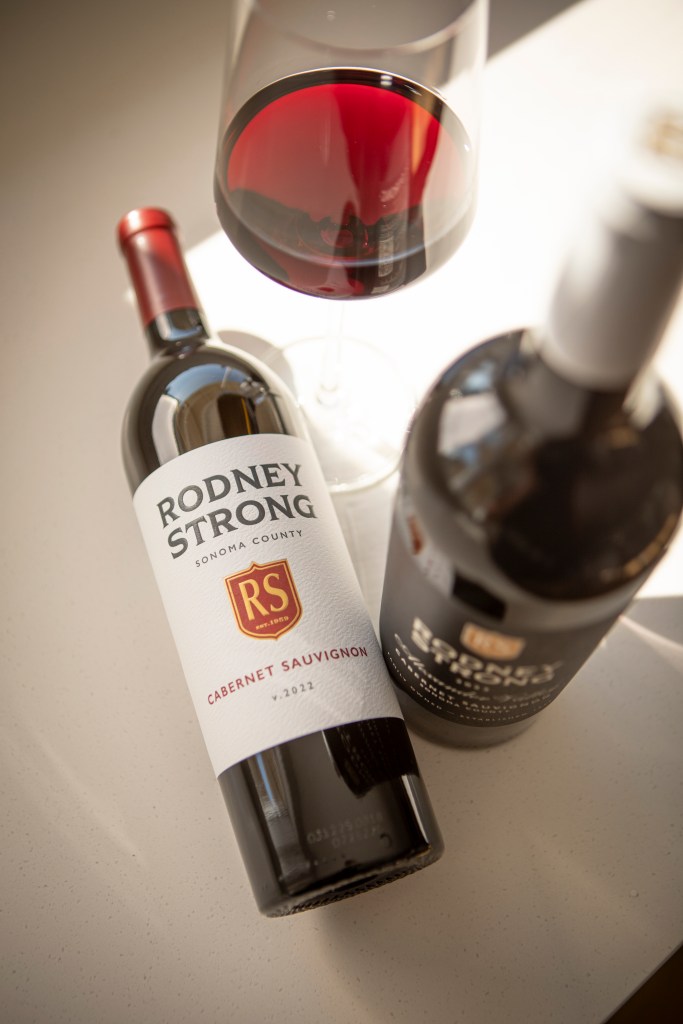
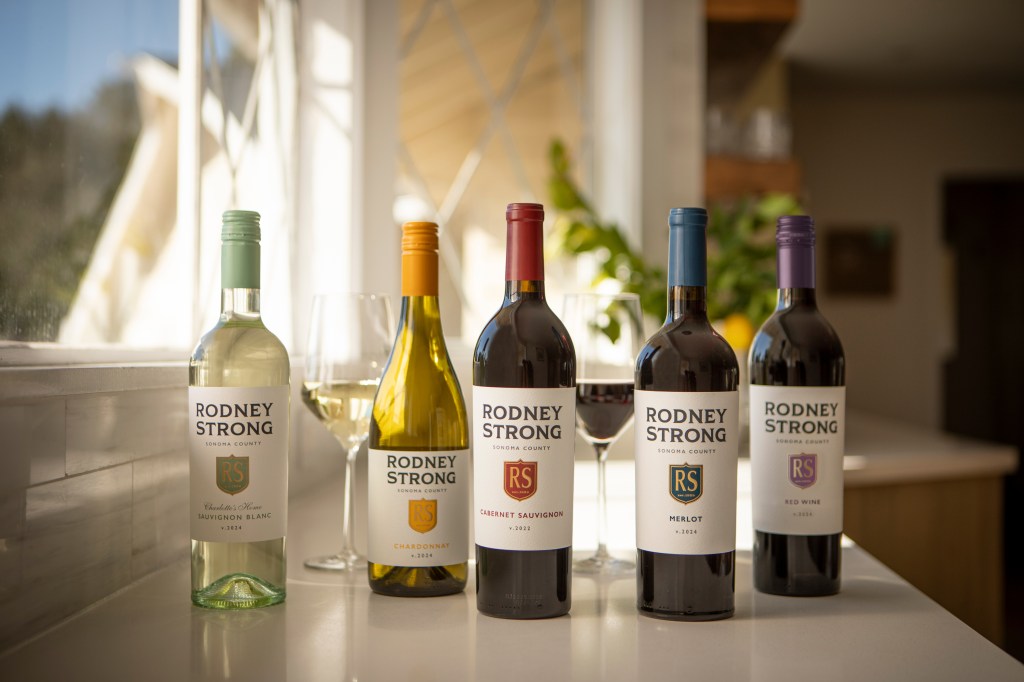
Effective resource allocation is another pillar of Rodney Strong’s sustained success. The winery’s portfolio includes a variety of wines that require distinct handling. For example, premium small-lot Rockaway grapes undergo more precise crush and fermentation processes than larger-lot grapes destined for the Sonoma County or Estate tiers.
According to Justin Seidenfeld, Chief Winemaking and Operations Officer, larger batches benefit from techniques like uniform site development and deficit irrigation to maintain consistency across vineyard blocks. These careful practices demonstrate how dynamic resource allocation—shifting money, talent, and management focus where it creates the most value—can be applied beyond winemaking to any business seeking to optimize performance.
Risk Management
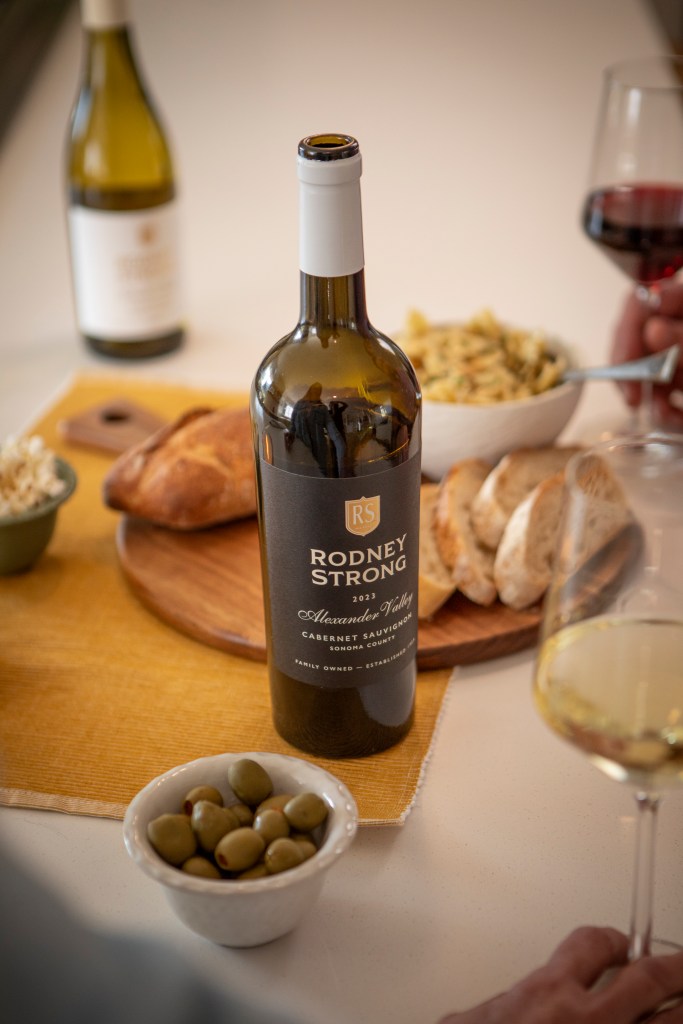
While data analysis is vital for risk mitigation, intuitive judgment remains a cornerstone of vineyard management. Deciding the exact day to harvest grapes involves chemistry, experience, and a “gut feeling.” According to Seidenfeld, this decision is the most critical the winery makes annually.
“While we use the data from the samples we pull to guide us, the final call on when to harvest is made through our eyes and ears and taste and not with what we get from the lab,” he explains. This fusion of empirical data and sensory evaluation highlights the nuanced decision-making that entrepreneurs can adopt to balance quantitative insights with human intuition.
Entrepreneurs in any sector can enhance their risk management by understanding the pressures related to growth, culture, and information management—key factors that sharpen decision-making and minimize losses.
Sustainability and Future-Proofing
Rodney Strong Vineyards exemplifies how sustainability can underpin long-term business success. Since becoming Sonoma County’s first carbon-neutral winery in 2009, the winery has integrated sustainable practices such as water conservation, soil health management, and biodiversity promotion to foster balanced vineyard ecosystems. These efforts not only contribute to broader environmental goals but also directly enhance vine health and fruit quality.
Tools like soil moisture sensors, weather stations, and plant-based measurements enable precision farming, particularly in irrigation management—a critical factor in adapting to climate variability. Allison Dericco, head of winegrowing, emphasizes that these everyday sustainable practices have tangible impacts on wine quality while reinforcing the winery’s environmental stewardship.
For business leaders, this approach offers a vital lesson: sustainability should be embedded from the ground up, not treated as an afterthought. This ensures authentic messaging, builds consumer trust, and fosters meaningful collaborations that support long-term viability.
For more insights on how Rodney Strong Vineyards navigates this historic harvest and what businesses can learn from their intentional strategies, read more Here.

