
From Corporate Tech to Historic Interior Design: Abigail Morris’s Journey
Abigail Morris’s path to becoming the founder of Abigail Morris Interiors, a Chicago-based full-service interior design studio, is a compelling story of passion, resilience, and strategic growth. Starting her interior design business on the side in 2022 while maintaining a full-time corporate tech job, Morris’s journey took a pivotal turn in 2024 when a layoff became the catalyst for her to fully embrace her creative calling. This article explores how she leveraged her experience, education, and a growing portfolio focused on historic properties to build a thriving business.
Early Passion Meets Practicality
Growing up, Morris had a natural inclination toward interior design, often sharing unsolicited advice about colors, fabrics, and aesthetics. However, with well-meaning encouragement from her family, she initially pursued a more conventional career path, spending about a decade in corporate technology. The safety and stability of that career represented what Morris describes as “golden handcuffs,” a comfortable but ultimately unfulfilling professional situation.
Then, during the pandemic, like many professionals, Morris took time to reflect on her true interests. She questioned her happiness and future direction, ultimately deciding to rekindle her passion for design. This led her to enroll in interior design classes at The Art Institute of Chicago, where she earned a certificate, equipping her with formal expertise to complement her lifelong enthusiasm.
Building a Business on Instagram While Working Full-Time
To announce her entrance into the interior design world, Morris created an interior design Instagram account. This platform allowed her to showcase her work and signal to potential clients that she was open for business. However, she maintained her corporate tech role during this period, balancing the demands of both jobs. Her hesitation to fully commit stemmed from the security her corporate position provided, a common challenge for many aspiring entrepreneurs.
A Layoff as a Launchpad
Near the end of 2024, Morris was laid off from her corporate job. While layoffs are often seen as setbacks, Morris characterizes this event as a “blessing in disguise” that freed her to fully dedicate herself to her interior design business. With her newfound focus, she pivoted toward a niche she is deeply passionate about: designing for historic residential and commercial properties.
This shift was inspired in part by her personal experience renovating her 1889 Chicago row home, which she updated and photographed to enhance her portfolio. The historic angle quickly became a defining feature of her brand, attracting clients who were especially interested in preserving and revitalizing older homes with rich architectural details and craftsmanship.
Developing a Distinctive Portfolio and Client Base
Morris’s Instagram portfolio, enriched by photos of her own historic home updates, became a powerful marketing tool. Her initial clients, many of whom owned historic properties, were drawn to her expertise in blending preservation with modern design elements. This organic growth snowballed, leading to requests not only within Chicago but also from across the Midwest and the West Coast.
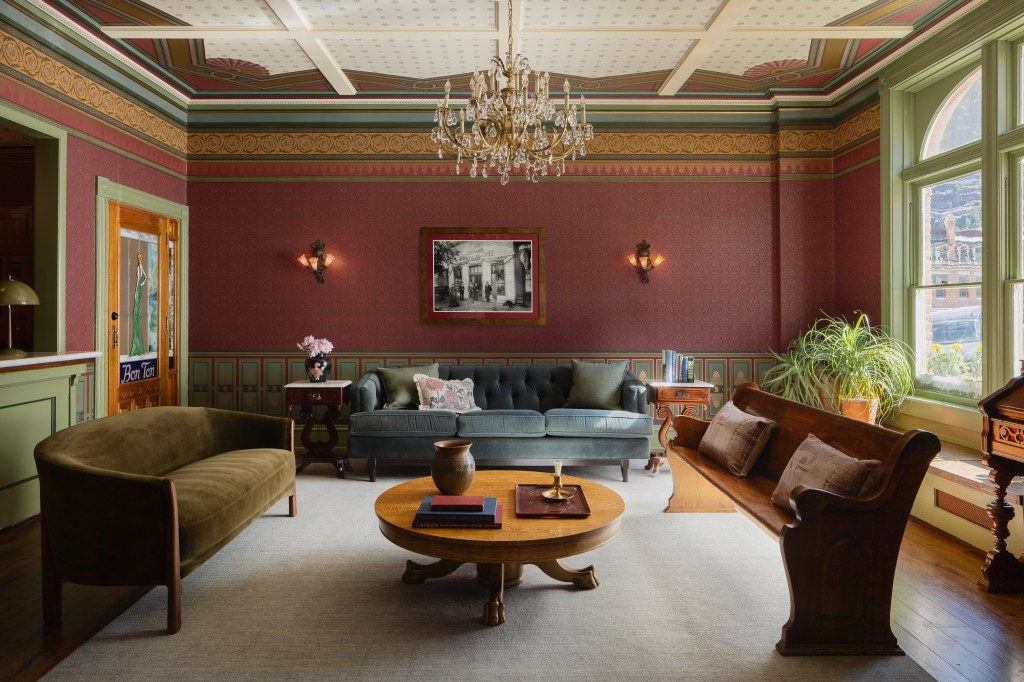
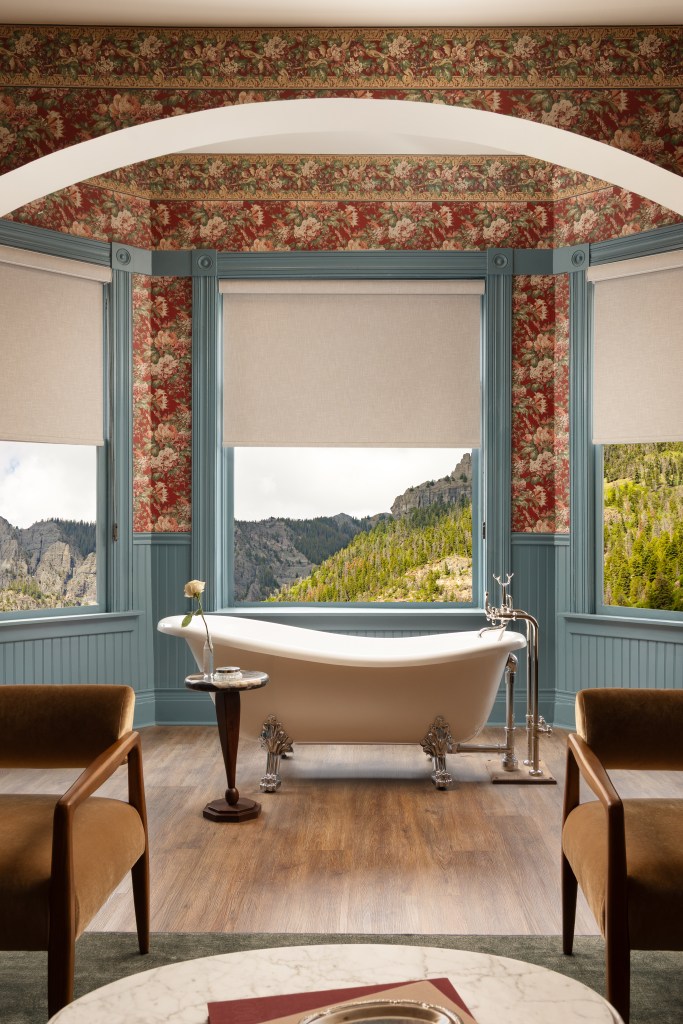
A notable project in 2024 was her work on the St. Elmo Hotel in Ouray, Colorado, a building listed on the National Register of Historic Places. Collaborating with the owner’s hospitality group, Morris helped celebrate the hotel’s original features while integrating 21st-century comforts—a delicate balance that requires both creative vision and a disciplined approach to historic preservation.
The Discipline of Designing for Historic Properties
Unlike redesigning a blank slate, working with historic properties demands a keen eye for preservation and respect for original craftsmanship. At the St. Elmo Hotel, Morris preserved as much original wallpaper and wainscoting as possible, opting for repairs over replacements to maintain authenticity. This approach requires patience, thoughtful editing, and a deep understanding of historical architectural details.
Financially, Morris’s first year balancing her side business and full-time job yielded a take-home pay of approximately $48,000. She reinvested heavily into her business, prioritizing project photography, styling, and videography to build her brand. By 2025, her revenue had grown significantly; she projected total earnings of $168,000 for the year, with an estimated $100,000 take-home pay, the remainder reinvested to fuel further growth.
Scaling Up: Strategic Hiring and the Role of AI
As her business grows, Morris recognizes the need to scale strategically. Currently managing multiple roles herself, she plans to hire support staff to assist with procurement, technical drawings, and other administrative tasks. This will allow her to focus more on design and client experience—key elements for sustainable growth.
Technology also plays an important role in her workflow. Morris utilizes AI tools like Claude and ChatGPT to handle back-office functions such as organizing job site notes. Additionally, she observes an emerging trend where clients present AI-generated design ideas. While these tools democratize design access, Morris emphasizes the importance of educating clients about the practical limitations of AI-generated concepts, such as structural feasibility and sourcing specific furnishings.
Embracing an Arts and Crafts Renaissance in the Age of AI
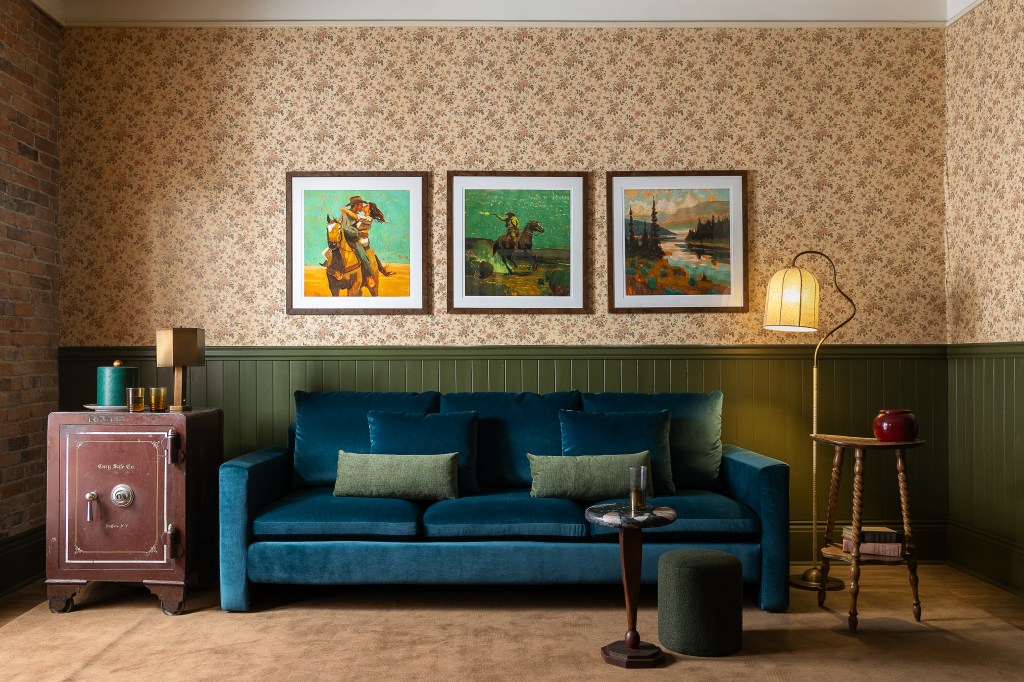
Morris foresees a resurgence of appreciation for handcrafted, artisanal work amid rapid technological advances. Drawing parallels to the original Arts and Crafts movement—which emerged as a response to the Industrial Revolution’s mass production—she believes today’s consumers increasingly seek authenticity and imperfection in their homes.
With the world becoming more chaotic, people are craving cozy, layered spaces that provide refuge and a sense of craftsmanship. Morris is excited to be part of this cultural shift, designing spaces that honor history and craftsmanship while meeting modern needs.
Key Takeaways
- In 2022, Morris took interior design classes and started her business on the side.
- A 2024 layoff motivated Morris to go all-in and lean into designing for historic properties.
- She saw about $48,000 in take-home pay year one and expects about $100,000 in 2026.
This as-told-to story is based on a conversation with Abigail Morris, founder of Chicago-based full-service interior design studio Abigail Morris Interiors. In 2022, Morris started her interior design business on the side, building it as she continued her full-time career in corporate tech. After being laid off at the end of 2024, Morris went all-in on her business. The piece has been edited for length and clarity.
Read more about Abigail Morris’s inspiring journey Here.

