
Hero Bread’s Strategic Evolution: From Subway Partnership to $54 Million in Revenue
In 2022, YuChiang Cheng invested in Hero Bread on behalf of 444 Capital and stepped in as the company’s interim chief marketing officer during a pivotal moment for the brand. Known for its low-carb, zero-sugar bread products, Hero Bread was facing significant challenges that required a strategic overhaul to stabilize and grow.
Origins and Initial Growth
Founded in 2019 by Cole Glass, Hero Bread was born out of a personal need to address severe food allergies related to pollen. The brand sought to create macro-friendly bread alternatives that catered to health-conscious consumers. By October 2021, Hero Bread had secured a promising partnership with Subway, aiming to expand its reach dramatically and introduce its products to a wider audience.
However, as Cheng joined the company, it became clear that the economics of the Subway deal were unsustainable. The partnership was not profitable, and Hero Bread was quickly depleting its financial resources.
“We were just too small at the time and couldn’t service it, didn’t have the resources and all the infrastructure put in place to effectively deliver that,” Cheng explains. “So we backed out of it.”
Pivotal Shift to Direct-to-Consumer (DTC) Strategy
Following the exit from the Subway partnership, Hero Bread shifted its focus to a direct-to-consumer (DTC) model. This approach allowed the company to gather rapid feedback from customers and foster word-of-mouth growth, critical for a brand still defining its market fit. Cheng’s appointment as CEO in November 2023 marked a continued commitment to scaling the business strategically.
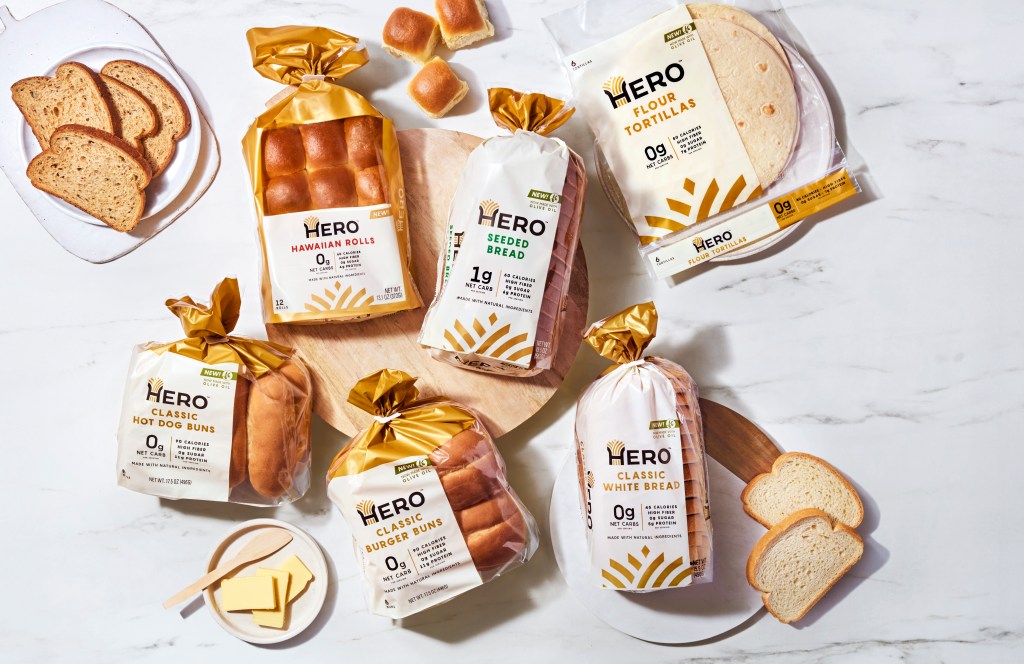
In an impressive funding round announced in June 2024, Hero Bread raised $21 million within 90 days. Led by Cleveland Avenue, DNS Capital, and Composite Ventures, the round increased total funding to over $68.5 million. Last year, the company generated $54 million in revenue and more than doubled its retail footprint, expanding from 4,000 to 10,000 doors—including a significant launch at Target stores.
Despite its growing retail success, Hero Bread remains committed to its DTC channel, which the CEO describes as entering the “third chapter” of its DTC playbook—a phase focused on refining and expanding its direct customer relationships and product offerings.
Experimentation with Retail Channels and Product Focus
After stepping away from Subway, Hero Bread concentrated on five core SKUs: white bread, seeded bread, burger buns, hot dog buns, and flour tortillas. These staples were selected for their broad appeal and frequent purchase potential, fitting well within retail environments.
Initially uncertain about which retail channels would be most effective, the company experimented with a variety of stores, including Market District, Publix, and Sprouts. Rather than limiting itself to a single channel, Hero Bread prioritized partnerships with enthusiastic retailers regardless of category.
“It’s a very mainstream taste profile,” Cheng notes. “So there was a lot of debate, if this is going to be more of a Publix, Target type product, or is this going to be more of a natural Whole Foods, Sprouts, type of product.”
Six months into this approach, the company had gained traction across all three retailers, validating its opportunistic channel strategy. This flexible tactic contrasts with many consumer packaged goods (CPG) brands that take a more regional, channel-focused approach initially.
Balancing Affordability and Convenience Across Channels
Expanding into retail offers Hero Bread the advantage of economies of scale. Shipping large quantities to stores is more cost-effective than individual e-commerce orders, which typically translates to lower prices for consumers.
Conversely, the DTC channel provides a “concierge” experience, offering unique or small-batch products that would be uneconomical to distribute widely. Hero Bread’s Crafted Collection, which includes croissants, lemon poppy seed scones, and shortbread biscuits hand-baked in Sonoma with brown butter by a Michelin-starred chef, exemplifies this model.
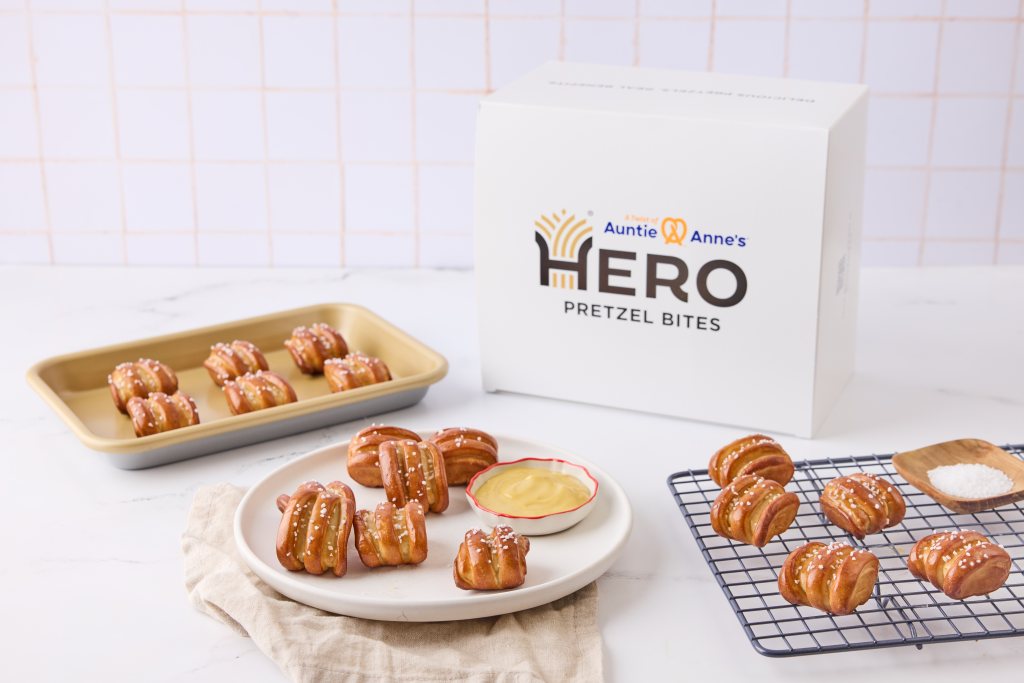
Additionally, Hero Bread’s recent collaboration on pretzel bites with Auntie Anne’s showcases how exclusive, artisanal products can thrive in the DTC space.
Moreover, the DTC channel serves as a valuable testing ground for new products before committing to large-scale retail launches. For example, Hero Bread introduced limited-edition bagels online in December 2024. Initially produced in small batches, these quickly became one of the brand’s top sellers and transitioned to retail shelves within six months.
Customer-Centric Growth and Resilience
Cheng emphasizes that success as an entrepreneur is not defined by unbroken wins, but by the ability to persist through setbacks.
“It’s how many times you can try again, regardless of how many times you’ve fallen down or how much blood you get on your face,” he says. “There is a level of courage that is really necessary.”
This resilience has been essential as Hero Bread navigated complex challenges and evolving market dynamics. Looking ahead, the company aims to “meet the consumer where they are,” catering both to dedicated Hero fans and broader bread consumers alike.
“We believe that the more people who try us, the more people who will believe [in us],” Cheng explains, underscoring a commitment to broadening the brand’s reach while maintaining quality and innovation.
Key Takeaways
- After exiting the Subway partnership, Hero Bread focused on five SKUs.
- The brand pivoted to DTC, then explored different retail channels.
- Now, it’s navigating what the CEO calls the third chapter in its DTC playbook.
For further insights on Hero Bread’s journey and growth strategies, read more here.

