
The Hidden Legacy of the Wollemi Pine
Fewer than 100 mature Wollemi pines grow in the wild. Their exact location is a closely guarded state secret, withheld from maps and protected by a small circle of Australian rangers who reach the site by helicopter, wearing sterilised boots and adhering to rigorous biosecurity protocols rather than convenience. This rare conifer, Wollemia nobilis, is a botanical marvel that rewrote natural history when it was discovered in 1994.
Until that moment, the Wollemi pine was known only from compression fossils and pollen grains, remnants from the Cretaceous period — a time when dinosaurs like Tyrannosaurus rex roamed the Earth. The story of its rediscovery began when David Noble, a New South Wales National Parks ranger, abseiled into a sandstone canyon northwest of Sydney during a routine recreational canyoning trip. There, he encountered a stand of unfamiliar trees with dark trunks covered in bubbled bark reminiscent of boiling chocolate, and delicate fern-like foliage seemingly lost from another era. Noble took cuttings home, and when examined by botanists at the Royal Botanic Garden Sydney, the living tree was identified as a species thought extinct for 90 million years.
A Fossil That Turned Out to Be Breathing
Before Noble’s discovery, the Wollemi pine was only known from fossilized remains found in Australia and Antarctica. Palaeobotanists had cataloged the genus Wollemia from Cretaceous sediments and assumed the lineage had vanished around the same extinction event that wiped out non-avian dinosaurs. The fossil leaves bore no resemblance to any known living conifers, closing the chapter on the genus — until the unexpected find in the canyon.
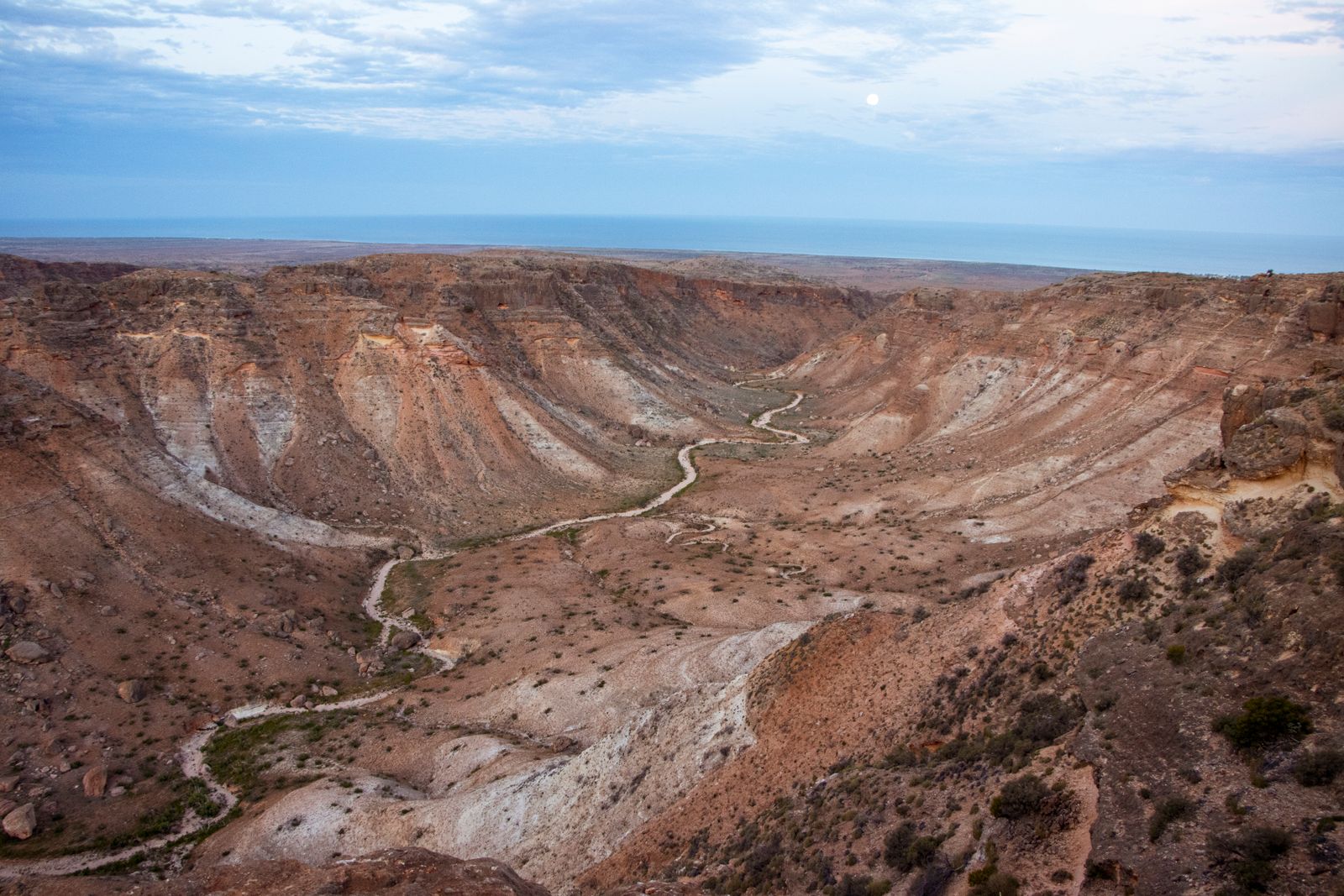
The grove is nestled within the vast wilderness of Wollemi National Park, a rugged region of slot canyons and sandstone plateaus on the fringe of the Greater Blue Mountains. Protected by a unique microclimate at the bottom of a gorge, these trees benefit from damp, shaded conditions that shield them from the frequent bushfires sweeping the exposed ridges above. The trees propagate clonally, with underground root systems spawning new trunks when older ones perish, potentially creating individuals of extraordinary age.
What a 90-Million-Year-Old Conifer Looks Like
A mature Wollemi pine can reach heights of up to 40 meters. Its bark is notably nodular, often compared to the texture of Coco Pops cereal or bubbling lava. Young foliage gleams bright apple-green, gradually maturing to a deep blue-green hue. Intriguingly, a single tree frequently has dozens of trunks emerging from one extensive root mass, all genetically identical. Genetic sequencing of the wild population revealed an alarming uniformity — the trees are effectively clones of each other. This severe genetic bottleneck means that fewer than 100 trees exist with almost no genetic diversity, placing the entire population at risk of extinction from a single catastrophic event.
The Secret Address
The New South Wales government has deliberately withheld the exact GPS coordinates of the wild Wollemi pine grove. Rangers adhere to strict access protocols, including wearing sterilised boots, decontaminated clothing, and arriving by helicopter rather than trekking in overland. This is not mere theatrics but a critical biosecurity measure.
Phytophthora cinnamomi, commonly known as cinnamon fungus, is a soil-borne water mould that poses a lethal threat to these trees. Even a single contaminated boot print could introduce spores sufficient to decimate the wild population. Unauthorized visitors who have attempted to locate and enter the site have jeopardized the delicate biosecurity balance. Traces of Phytophthora have been detected in the canyon soil, prompting ongoing containment efforts.
The 2019 Fires
In the devastating Black Summer bushfires of 2019-2020, the Gospers Mountain fire swept through Wollemi National Park, threatening the Wollemi pine grove. In an unprecedented conservation effort, waterbombing helicopters laid fire retardant lines along the canyon rim, specialist firefighters were winched into the gorge to establish irrigation systems, and large air tankers flew through dense smoke to protect the trees. Despite the severity of the blaze, the grove survived with only minor scorch damage to a few trees. Photographs released by the New South Wales government showed firefighters standing beside blackened sandstone walls with flourishing green Wollemi pines rising behind them. This operation stands as one of the most targeted plant rescues in conservation history.
The Insurance Plan
While the wild grove remains hidden and protected, a deliberate strategy has ensured the Wollemi pine’s survival beyond its natural habitat. Beginning in the early 2000s, the Royal Botanic Garden Sydney launched a commercial propagation program, successfully rooting cuttings and distributing thousands of saplings to home gardeners, botanic gardens, and arboretums worldwide. This global dispersal means Wollemi pines now flourish in temperate gardens from Kew Gardens in London to the Jardin des Plantes in Paris, as well as in backyards across Cornwall, Vancouver, and Tokyo.
This ex situ conservation approach provides a crucial buffer, making it increasingly unlikely that the species will vanish entirely. The cultivated trees serve as living insurance policies, safeguarding a lineage that is perilously vulnerable in the wild.
What It Does to People
Encountering a living organism that dates back to an era before flowering plants instills a profound sense of awe. The emotion of awe, characterized by a perception of vastness and a need to mentally reframe one’s worldview, is frequently triggered by such encounters with deep time. Visitors to cultivated Wollemi pines often spend extended moments observing the trees, absorbing the fact that they represent a direct link to the Cretaceous period.
The information placards at botanic gardens emphasize this lineage’s ancient heritage and unique branching patterns, inviting reflection on the deep past and the resilience of life.
The Accident That Found It
David Noble was not searching for a lost species when he discovered the Wollemi pine. An experienced ranger and trained botanist, he was canyoning for recreation in a familiar area of the park. Though the grove lay within helicopter range of Sydney, it had remained undiscovered because no one expected such a relic to exist. The trees were hidden in plain sight, overlooked by hikers and bushwalkers passing nearby for decades.
This discovery exemplifies the science of serendipity, where prepared observers recognize the unexpected. Noble’s botanical expertise allowed him to identify something unusual, whereas an untrained hiker might have walked past without noticing. Such moments of chance and insight have punctuated biological research, often leading to breakthroughs that disrupt conventional understanding.
Other Lazarus Species
The Wollemi pine is a prime example of a “Lazarus taxon,” a term in biology for species thought extinct for millions of years before being rediscovered. The coelacanth, a deep-sea fish first caught in 1938 after a 66-million-year fossil absence, is the most famous example. The Wollemi pine, however, surpasses this with a fossil gap of approximately 90 million years — older than the entire mammalian radiation.
Australia’s isolation and stable sandstone refugia have fostered survival of many such ancient lineages. The Queensland lungfish, mountain pygmy possum, and night parrot all experienced presumed extinction before being found again. The Wollemi pine’s survival over geological time is a testament to these unique environmental sanctuaries.
Its age is staggering: the tree predates the formation of the Atlantic Ocean’s current configuration and the evolution of grasses. It has quietly persisted since before the chalk cliffs of Dover were laid down on the seabed.
The Future of the Grove
Conservation of the wild Wollemi pine population involves multiple strategies running in parallel. The location remains secret, with helicopter access restricted to monitoring and biosecurity checks. Periodic cuttings sustain the ex situ collections, while researchers investigate whether the species’ genetic uniformity is a liability or a reflection of resilience under natural selection.
The Wollemi pine’s clonal growth strategy, where new trunks emerge from a potentially immortal root system, challenges conventional reproductive models and aligns with intriguing biological phenomena observed in species like the immortal jellyfish (Turritopsis dohrnii).
Climate models forecast more frequent and severe fire seasons in the Blue Mountains region, raising concerns about the long-term viability of the grove. The 2019 fire response demonstrated that the population can be defended once, but whether such protection is sustainable against intensifying natural threats remains uncertain.
Beyond ecological concerns lies a deeper ethical question: secrecy has preserved the grove so far but places the fate of an entire ancient lineage in the hands of a few officials, without public oversight. Is conservation truly served by hiding knowledge from the public, or does it reveal a lack of trust in humanity’s stewardship of its natural heritage? As hikers walk just meters above the hidden grove, oblivious to the living Cretaceous forest beneath their feet, the future of this remarkable species hangs in delicate balance.
Here is the source of this article.

