
Rethinking the Beef Supply Chain: How Steven McBee Jr. is Taking Control
For most ranchers, the hardest part isn’t raising the cattle, but what happens after they leave the farm. Once they’re loaded onto someone else’s truck, so is most of the control. Processing, distribution and, too often, the biggest share of the profit all belong to somebody else.
Steven McBee Jr. looked at that system years ago and decided he wasn’t going to keep playing by its rules.
So while Washington is now investing up to $500 million to strengthen small and midsize meat processors, the 33-year-old rancher has spent the better part of a decade building his own way around the bottleneck.
From Farm to Table: Owning the Process
Credit: Steven McBee Jr.
“Everybody in this industry gets told to raise your cattle, sell them into the commodity system and take the price you’re given,” McBee said. “We looked at that and thought, Why stop there? If we wanted more control over our future, we had to own more of what came next.”
This mindset led to the creation of McBee Farm & Cattle Co., a first-generation family operation based in Gallatin, Missouri. Without inherited land, cattle, or banking relationships, the McBee family’s approach was transparent and authentic, documented through the reality series The McBee Dynasty: Real American Cowboys, which premiered in 2024. The show highlights the highs and lows of building a family farm business in modern America.
Breaking the Bottleneck: Industry Challenges and Opportunities
The challenges McBee confronts are systemic. In the early 1970s, the four largest beef packers controlled about 25% of the U.S. market; today, they manage roughly 85% of beef processing, according to Investigate Midwest. This consolidation leaves independent producers with limited options once their cattle are ready for market. Coupled with rising input costs and unpredictable weather, profit margins for ranchers have grown razor-thin.
McBee identified an overlooked opportunity: consumers are increasingly seeking protein-rich snacks, a growing market where producers rarely capture value. “At some point, we quit asking how to get a better price for our cattle, and we started asking how to build something people could actually buy from us,” McBee explained.
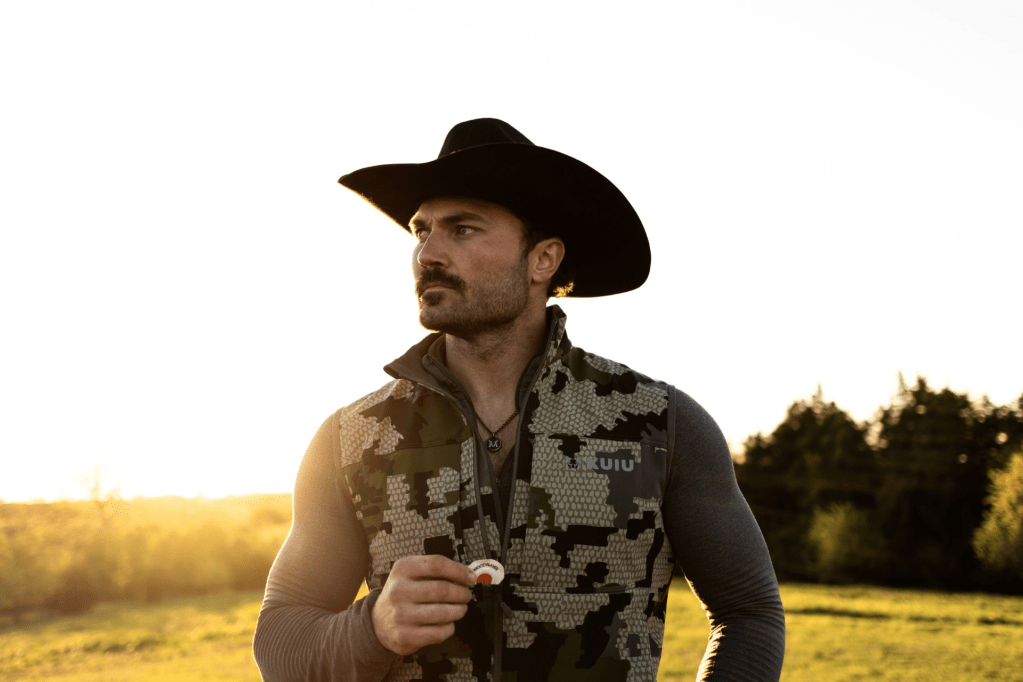
Credit: Steven McBee Jr.
Building a Business from Scratch: The Snack Stick Solution
McBee turned to meat snack sticks, a product category that has surged in popularity. Since 2017, he has methodically developed a branded, shelf-stable product that ranch families typically do not produce or market themselves. “We had to become beginners over and over,” he said. “There wasn’t a shortcut. Every new part of the business came with a learning curve of its own.”
The first snack stick brand launched in 2020, followed by a production facility in 2022. The biggest milestone came in 2023 with the acquisition of a federally inspected meat processing plant, which earned SQF certification—a rigorous food safety standard. A fulfillment center was added on the farm, allowing orders to ship directly from the ranch where the cattle are raised. This vertical integration eliminates middlemen and ensures full transparency about product provenance.
“We built the ladder one rung at a time, and each step was funded by the one before it. Farm, facility, fulfillment. One family, zero middlemen, and we can stand behind exactly what’s in the package and how it got there,” McBee said.
Meeting Demand and Giving Back to the Community
The timing of McBee’s venture is opportune. Meat snack sales have climbed more than 45% over the past four years, reaching a $4.4 billion market, according to GlobeNewswire. Demand for McBee’s products currently exceeds the capacity of its existing facility. Distribution spans direct-to-consumer sales through McBeeFarms.com and retail presence in over a dozen states.
Growth remains rooted in Gallatin, where a new facility is underway. This expansion, constructed with local labor, is expected to create 25 full-time jobs, adding to the 30 positions the company already supports locally.
McBee Farm & Cattle Co. also invests in community engagement. Beyond donating snack sticks to nearby schools, the farm hosts the Kids in the Outdoors program, introducing children from underserved Kansas City neighborhoods to farming life through horseback riding, fishing, and education about food origins.
Looking ahead, McBee is developing a men’s retreat program that leverages the outdoors to focus on emotional regulation and mental health—underscoring a holistic approach to rural life and well-being.
A New Model for the American Family Farm
For McBee, the mission is clear. “I want McBee to be proof that the American family farm isn’t dying. It just needs a different business model,” he said. “However big this gets, the rhythm won’t change. My brothers and I work side by side every day, and we still all sit down to dinner together every night. If we do this right, the next generation of farmers won’t have to invent a thing. They’ll just copy us.”
In an industry dominated by consolidation and limited producer control, Steven McBee Jr.’s journey demonstrates the power of entrepreneurship, innovation, and family commitment to reclaiming value and reshaping the future of American agriculture.

