
Market Reactions to the US-Iran Draft Deal: A Fragile Premise
Brent crude prices dropped nearly 4% on Sunday as markets reacted to a draft US-Iran memorandum of understanding briefly floated by former President Donald Trump. Concurrently, the dollar index slipped and S&P futures opened the week with gains that persisted through the Asian trading session. This notable movement across three major asset classes—equities, oil, and currencies—stemmed from a single, yet precarious, catalyst: a draft deal that the US president himself admitted was not fully negotiated and quickly distanced himself from.
Equity markets interpreted the prospect of a US-Iran agreement as a clear bullish signal, oil markets anticipated a supply boost, and currency desks responded by selling the dollar. Yet, all these reactions hinge on one delicate assumption: that the memorandum will endure long enough to reopen the strategically vital Strait of Hormuz. This assumption, however, faces significant political headwinds, making the market’s optimistic pricing vulnerable.
Deconstructing Sunday’s Market Moves
The immediate impact of the draft deal on financial markets was mechanical but significant. If the Strait of Hormuz reopens, the war-risk premium embedded in Brent crude will unwind, reducing oil prices. Simultaneously, the dollar’s safe-haven appeal diminishes, leading to a weaker greenback, while equity investors gain confidence, lowering the discount rate applied to future earnings. These three market moves share one underlying input: the potential reopening of the strait.
However, this input is far from certain. Trump’s own retreat from the draft memorandum within 24 hours, particularly under pressure from Republican senators, illustrates the fragility of the deal. The president advised his representatives not to rush the process, signaling internal discord and casting doubt over the deal’s viability. Consequently, markets are pricing in a scenario that the US administration itself has yet to fully endorse.
The 60-Day Ceasefire Proposal and Republican Pushback
According to reporting by The Guardian, the draft includes a 60-day ceasefire during which Iran would clear mines from the Strait of Hormuz, permit free passage for shipping, and resume oil exports. In return, the US would lift its naval blockade on Iranian ports. Crucially, the nuclear issue—the conflict’s core—would be deferred to subsequent negotiations.
This sequencing addresses immediate market concerns, particularly oil flow, while postponing the strategic issues that have long underpinned tensions. For traders, this deferral is beneficial, as it reduces near-term risk. But for influential Republican senators such as Lindsey Graham, Tom Cotton, Ted Cruz, and Roger Wicker, this approach is unacceptable. Wicker, chair of the Senate Armed Services Committee, condemned the ceasefire as a disaster, arguing it would negate military gains. His stance reflects serious institutional opposition, not mere political posturing, signaling deep fissures within the party on foreign policy.
Why Oil Prices Fell Amid Political Turmoil
The straightforward explanation for the decline in crude is that any path allowing Iranian oil to reenter global markets reduces Brent prices. The Strait of Hormuz, accounting for roughly 20% of seaborne oil trade globally, has been a chokepoint. Even a temporary 60-day reopening is sufficient to adjust futures market positioning.
More nuanced is how futures markets price political volatility. Traders are not betting on the final resolution of a US-Iran deal but rather on the likelihood that the strait remains open over the next two months. This bet depends primarily on Tehran’s compliance with mine clearance and allowing passage, which is easier to achieve than overcoming deep political opposition in Washington. This distinction highlights the complexity behind seemingly straightforward price moves.
The Dollar’s Decline: A Signal Beyond Safe-Haven Flows
While equity gains on de-escalation are predictable, the dollar’s weakening reveals deeper undercurrents about global perceptions of American credibility. Historically, the dollar has benefited from “flight-to-quality” bids amid geopolitical tension, particularly regarding the Strait of Hormuz. The reversal of this dynamic suggests the market is reassessing the US commitment to strategic consistency.
Moreover, the draft deal’s rejection by Republican hawks, who compare it unfavorably to the 2015 JCPOA nuclear agreement that Trump himself abandoned, signals to currency markets a willingness by the US to accept negotiated outcomes previously deemed unacceptable. The dollar’s decline, therefore, reflects a credibility repricing rather than a simple peace dividend—indicating that market participants view American foreign policy as less predictable and consistent than before.
Republican Opposition: What It Really Means
Lindsey Graham’s public denunciation of the draft deal inadvertently elucidates the bear case: a settlement reached under duress could consolidate Iran’s regional influence, undermining the conflict’s strategic justification. On the same day markets rallied on hopes of peace, senior Republican figures openly questioned the rationale and viability of the deal.
Tom Cotton, Ted Cruz, and Roger Wicker echoed this skepticism, with Pompeo—Trump’s former Secretary of State and CIA Director—advocating for a different strategy focused on sustaining pressure on Iran. This coalition represents the core of the Republican foreign policy establishment, united in opposition to a deal that defers nuclear concessions indefinitely. Their public alignment against the president’s initiative underscores the political challenges ahead.
The Rubio Indicator and Deal Negotiation Dynamics
Senator Marco Rubio’s cautious optimism during a diplomatic visit to India, describing progress as “significant,” was short-lived as no concrete news emerged later that day. Rubio’s measured communication style suggests that the deal’s terms are being actively renegotiated amid intense intra-party pressure, with senators willing to disrupt the president’s diplomatic timeline if substantive concerns are not addressed.
This fast-paced renegotiation highlights a broader theme: Sunday’s market rally reflects not calm conviction but a lack of plausible alternatives. Pricing in the deal is easier than repricing assets for a prolonged conflict, creating a rally that carries embedded political risk quietly hedged by sophisticated investors.
What Iran Has—and Has Not—Agreed To
The asymmetric nature of the draft agreement is striking. Iran commits to clearing mines and reopening the strait, while the US agrees to lift its naval blockade, allowing Iranian oil sales to resume for 60 days. However, the deal notably excludes commitments on Iran’s nuclear enrichment levels, stockpile reductions, inspection regimes, or any definitive timeline for resolution.
This “pause” rather than a full settlement aligns with Iran’s longstanding aim to separate the nuclear issue from immediate market-access concerns. Iranian officials’ jubilant public mood following the draft’s leak signals their satisfaction with this arrangement, which defers the most contentious issues to future talks. Trump’s own statements, which conspicuously omitted nuclear details, corroborate this interpretation.
The Market’s Underlying Assumption
At its core, Sunday’s rally rests on a critical assumption: that the political cost for Trump to abandon the deal exceeds the cost of accepting terms opposed by his own party. Historically, Trump has shown willingness to endure intra-party criticism for significant wins but also reversed course swiftly when confronted by respected party figures such as Graham, Cotton, and Cruz.
The base case priced in by markets assumes the Strait of Hormuz reopens within 60 days. The alternative scenario—Trump retreating, the draft being renegotiated to include unacceptable nuclear concessions, and conflict resuming with the strait closed—remains equally plausible. Both outcomes are live, underscoring the uncertainty ahead.
Why the Deal Could Still Close
The pragmatic case for the deal’s closure centers on political and economic costs. The strait’s closure has tangible impacts on fuel prices, shipping insurance, and inflation—areas critical to the Trump administration’s agenda. Sequencing the negotiations to prioritize reopening the strait while deferring nuclear talks aligns with Trump’s historical preference for tangible, short-term wins that appeal to public perception.
A 60-day ceasefire that visibly restores oil flow offers a televised victory for the president, allowing him to defer the complex nuclear issues to technocrats. This political calculus could override intra-party resistance, enabling the deal to move forward despite opposition.
Who Bears the Costs of Market Moves
Every market rally has counterparties. On Sunday, equity longs and short-dollar positions gained, while short equity, long dollar, and long oil trades—profitable through much of the conflict—suffered losses. The key question is whether these positions were primarily hedges against a deal’s failure or directional bets on continued conflict.
If most long-oil positions were hedges, unwinding will be orderly; if they were convictions expecting prolonged closure, the unwind could be disorderly, potentially extending the rally further as positions cover. Trading volumes over the following days will illuminate which scenario is unfolding.
Key Signals to Monitor This Week
Beyond headline price movements, three indicators merit close attention:
- Trump’s rhetoric: Whether his language hardens or softens on the deal will signal internal power dynamics. A firm endorsement by midweek would indicate the senators’ resistance is waning; continued caution suggests they prevail.
- Tanker insurance rates: Spot rates reacted to Sunday’s optimism, but forward curves are more telling. Persistent high 30-day insurance premiums imply skepticism about the deal’s durability.
- Iranian actions at the strait: Mine clearance is visible via satellite and requires time. Initiation of this operation would confirm the deal’s implementation regardless of political noise; lack thereof would reduce the agreement to mere rhetoric.
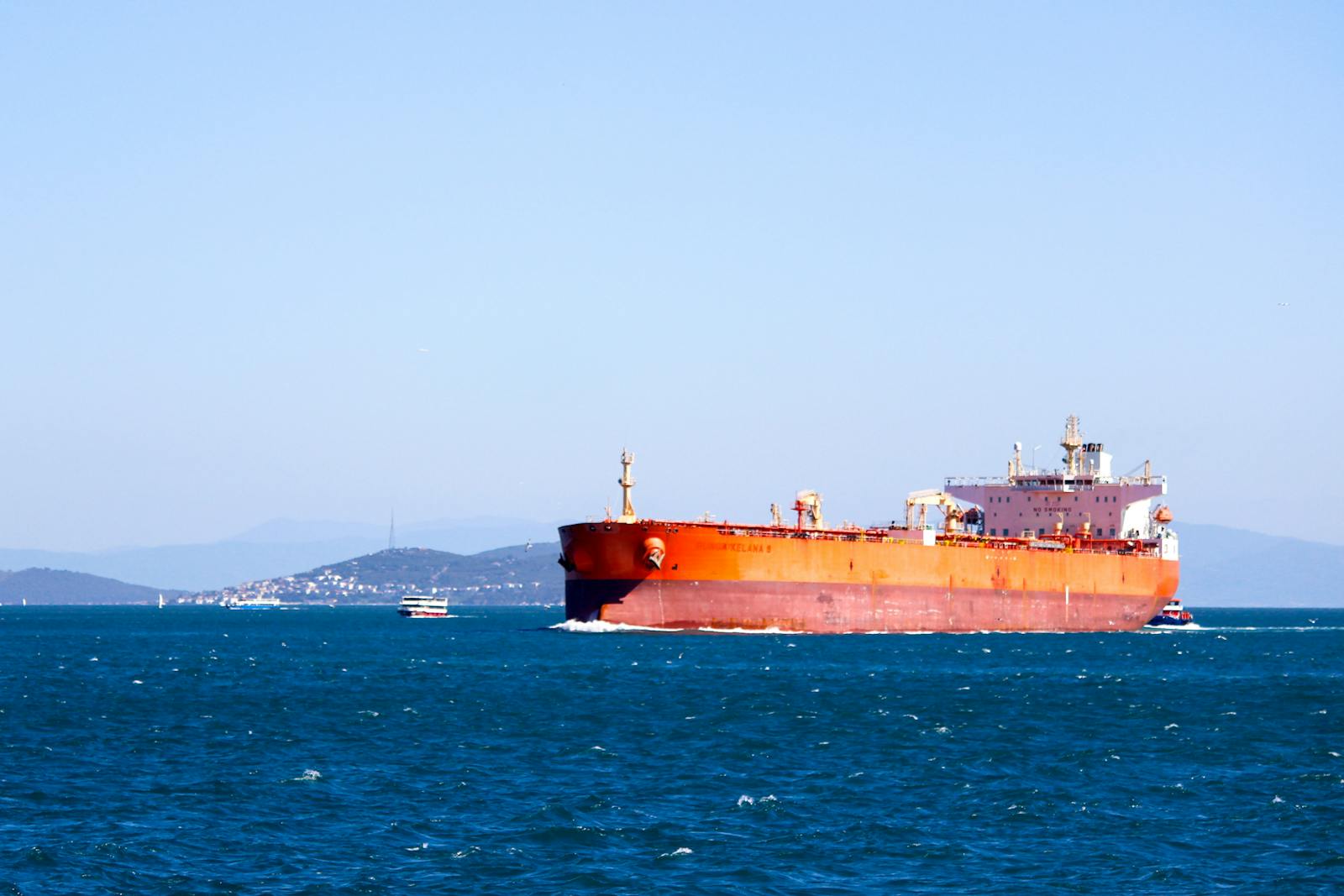
The Realities Behind Market Optimism
Sunday’s market rally was predicated on a memorandum that the president disowned within a day, opposed by key Republican foreign policy leaders, and deferring the central strategic issue of Iran’s nuclear program. While the pricing logic remains internally consistent—if the strait reopens, the trades are correct—the political realities cast a long shadow.
Accepting Sunday’s market optimism requires believing that Trump’s political instincts will override the combined influence of Graham, Cruz, Cotton, Wicker, and Pompeo in the coming weeks. This is a high-stakes bet that has succeeded before and faltered before. Ultimately, either the markets or the political faction will be proven wrong by Friday.
For further in-depth analysis, see the original source Here.

